• Construct a research question and hypothesis for qualitative research in community policing.
o Support your research question and hypothesis with a theory.
o Review Creswell and Creswell’s (2023) discussion of research questions for qualitative methods from Chapter 9 of the course textbook.
o This section may be 1 page.
• Determine the sampling approach in your qualitative research design.
o Review Chapter 9 of the course textbook.
o This section may be 1 page.
• Design an interview with at least five qualitative questions to answer your research question.
o Reflect on how your interview questions will address your research question.
o This section may be 2 pages.
• Explain your approach to scientific collection of data, inferences, and validity in your design.
Sample Answer
Qualitative Research Design: Community Policing
This design focuses on understanding the lived experiences and perceptions of police officers regarding the implementation and effectiveness of community policing initiatives.
1. Research Question and Hypothesis
Research Question
How do frontline patrol officers perceive the organizational and cultural barriers that affect the successful implementation and sustainability of proactive community policing strategies in high-crime urban districts?
Hypothesis (A Propositional Statement)
Frontline patrol officers perceive that institutional resistance (e.g., inadequate time allocation, pressure to meet arrest quotas, lack of supervisory training) and a deep-seated "us vs. them" organizational culture present the primary, interwoven barriers to the successful and sustained implementation of community policing.
Supporting Theory: Organizational Culture Theory
This research question and hypothesis are supported by Organizational Culture Theory (Schein, 1992). This theory posits that an organization's long-term effectiveness is rooted in its shared assumptions, values, and norms—the "way we do things around here."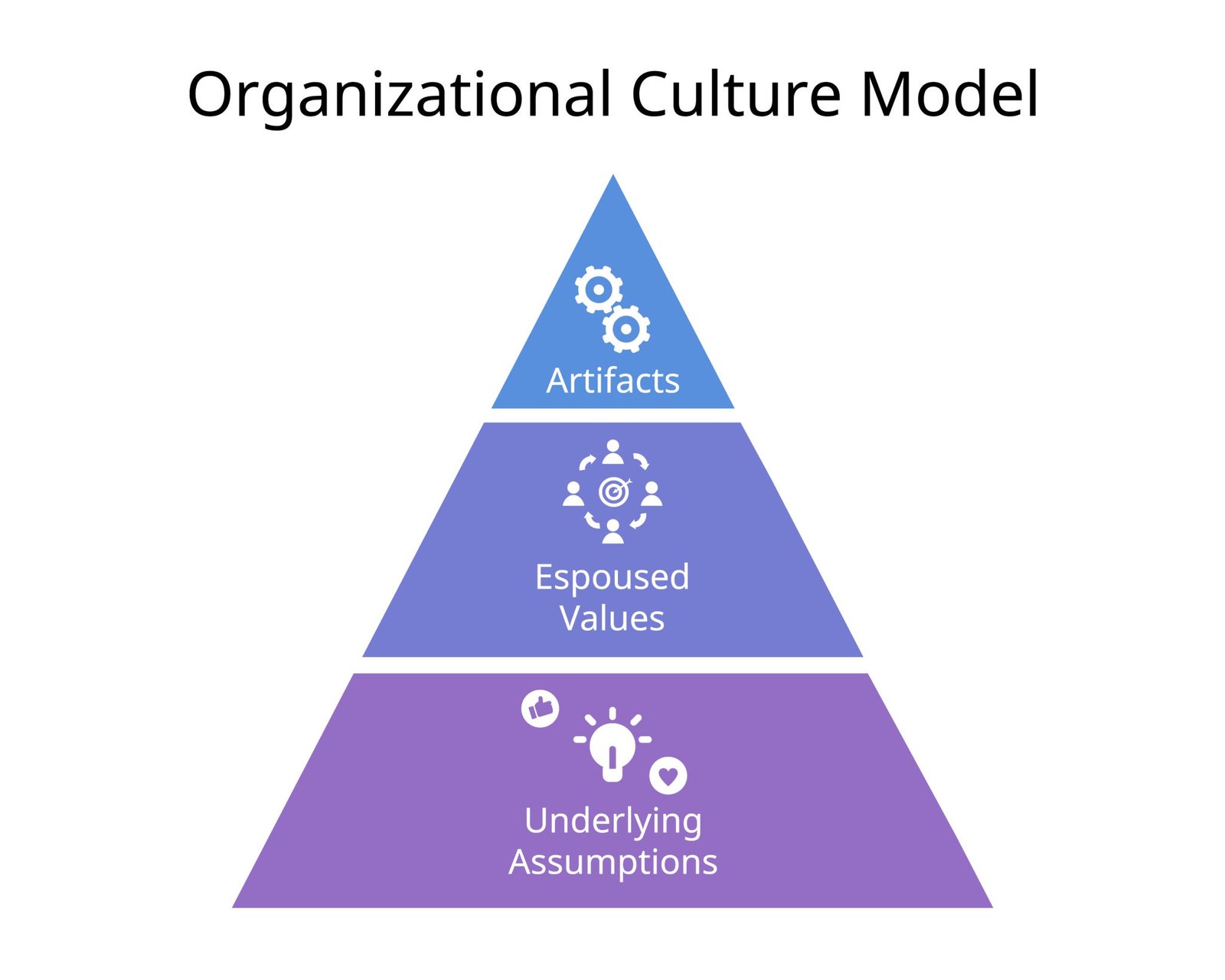 Getty Images
Rationale: Community policing requires a fundamental cultural shift from a reactive, enforcement-focused model to a proactive, problem-solving, and partnership-based model. Our research question investigates whether the deeply entrenched cultural artifacts (e.g., arrest quotas) and basic underlying assumptions (e.g., "the public is inherently hostile") within the police department are actively neutralizing the success of new community policing initiatives.
Review of Creswell and Creswell (2023) on Qualitative Research Questions
Creswell and Creswell (2023) emphasize that qualitative research questions should be open-ended, evolving, and exploratory. They should seek to understand the meaning participants hold about a phenomenon, not the relationship between variables.
Alignment: Our question uses the exploratory verbs "perceive" and "affect" rather than quantitative terms like "determine" or "measure." The focus on "how" and the desire to uncover the organizational and cultural "barriers" aligns with the qualitative goal of exploring the complex, subjective human experience of change within a specific context (high-crime urban districts).